20 years of factory experience——focusing on the production and sales of all types of furniture
Cafeteria Tables and Chairs: How to Choose Durable & Modern Dining Furniture

Table of Contents
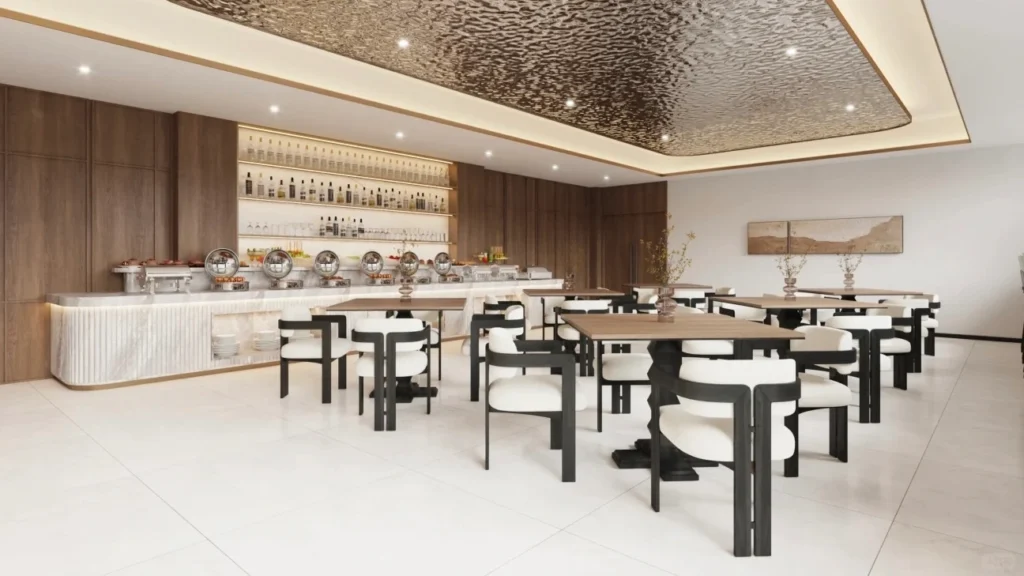
Cafeteria Tables and Chairs — Understanding Why They Matter
Cafeteria tables and chairs are more than just basic dining furniture. For any school, company, restaurant, or public dining hall, the right furniture influences comfort, traffic flow, durability, and overall atmosphere. When choosing cafeteria tables and chairs for a commercial space, you must consider material strength, design, functionality, hygiene, and long-term maintenance costs. Making the right decision ensures a better dining experience and reduces replacement frequency.
A cafeteria often serves hundreds—sometimes thousands—of users every day. This requires cafeteria tables and chairs that are stable, safe, and designed to withstand heavy use. Whether you are furnishing a new project or upgrading an existing space, understanding furniture structure, materials, and ergonomics will help you create a welcoming environment.
Key Factors When Choosing Cafeteria Tables and Chairs
Selecting cafeteria tables and chairs involves evaluating multiple factors that directly impact safety, comfort, and durability. Below are the essential elements you should consider before making a purchasing decision.
Durability and Stability of cafeteria furniture
The most important requirement for cafeteria furniture is long-term durability. Tables and chairs must endure constant movement, stacking, cleaning, and heavy daily use. Commercial-grade steel frames, reinforced joints, thick table tops, and anti-rust coatings significantly enhance performance.
Common durable materials include:
- Powder-coated steel — prevents corrosion and adds strength
- High-pressure laminate (HPL) — scratch-resistant and easy to clean
- Solid wood or plywood with veneer — stylish and stable
- Polypropylene chairs — lightweight, stackable, and impact-resistant
Without proper durability, cafeteria tables and chairs become wobbly, unsafe, or easily damaged, leading to higher maintenance costs.
Comfort and Ergonomics
Comfort is essential, especially in school cafeterias, staff dining rooms, and public facilities where users spend time sitting and eating. Ergonomically designed chairs provide better posture support and reduce fatigue.
Key ergonomic features include:
- Proper seat height
- Comfortable backrest angle
- Sufficient seat width
- Rounded table edges
- Stable leg structure
Comfortable dining furniture enhance the flow of the dining experience and create a pleasant atmosphere.
Space Planning and Layout Efficiency
Good cafeteria design requires maximizing seating capacity while maintaining smooth movement for staff and diners. Choosing the right size and shape of commercial dining sets helps optimize the layout.
Common table shapes:
- Rectangular — best for maximizing seating
- Square — flexible for small groups
- Round — creates a more social environment
Space planning also includes stackability, foldability, and modular system options that make storage and cleaning easier.
Maintenance and Easy Cleaning
Cafeterias face constant spills, stains, and cleaning cycles. Therefore, selecting easy-to-clean surfaces is essential.
Recommended features:
- Waterproof table tops
- Stain-resistant materials
- Smooth edges without gaps
- Rust-proof metal legs
Properly selected canteen tables and chairs will maintain their appearance even after years of heavy use.
Popular Styles of Cafeteria Tables and Chairs for Modern Spaces
Contemporary Minimalist Cafeteria Furniture
Modern cafeterias often prefer minimalist designs with clean lines and neutral colors. These breakroom tables and chairs create a bright, fresh, and spacious visual effect.
Common characteristics:
- Light wood tones
- Black or white steel frames
- Simple silhouettes
This style works well in corporate dining rooms, boutique cafés, and modern schools.
Industrial-Style Cafeteria Tables and Chairs
For a more stylish and trendy look, industrial-style furniture uses metal frames, rustic wood textures, and bold design elements.
Features include:
- Matte metal finishes
- Thick wooden tops
- Vintage-inspired chairs
This is popular for coworking spaces, restaurants, and commercial dining halls aiming for a fashionable environment.
Colorful and Youthful Cafeteria Furniture
Schools and campus dining areas often require bright colors and playful combinations. Polypropylene or molded-plastic cafeteria chairs offer vibrant color options and can withstand heavy daily use.
Benefits:
- Easy to clean
- Lightweight and stackable
- Highly customizable color choices
Why Choose Wholesale Cafeteria Tables and Chairs?
Lower Cost for Large Projects
Wholesale purchasing greatly reduces cost per unit, making it ideal for hotels, schools, corporate canteens, and government dining halls.
Customization Options
Many manufacturers provide customization for sizes, materials, colors, and designs—ensuring your cafeteria tables and chairs match your space perfectly.
Consistent Quality Control
Ordering from one supplier ensures consistent finishing, materials, and assembly quality across all furniture pieces.
How to Maintain Cafeteria Tables and Chairs for Long-Term Use
Daily Cleaning Practices
Use neutral cleaning solutions and soft cloths to avoid scratching table surfaces.
Regular Stability Checks
Inspect joints, screws, and legs to ensure the cafeteria furniture remains safe and stable.
Proper Storage for Stackable Chairs
Stack chairs evenly and avoid exceeding recommended stacking height to prevent deformation.
Conclusion
Choosing the right cafeteria tables and chairs ensures durability, comfort, and long-term value for any commercial dining environment. Whether you’re furnishing a school cafeteria, corporate canteen, or restaurant dining area, prioritize material quality, ergonomic design, layout efficiency, and ease of maintenance. With the right selection, your cafeteria can remain functional, modern, and welcoming for years to come.